
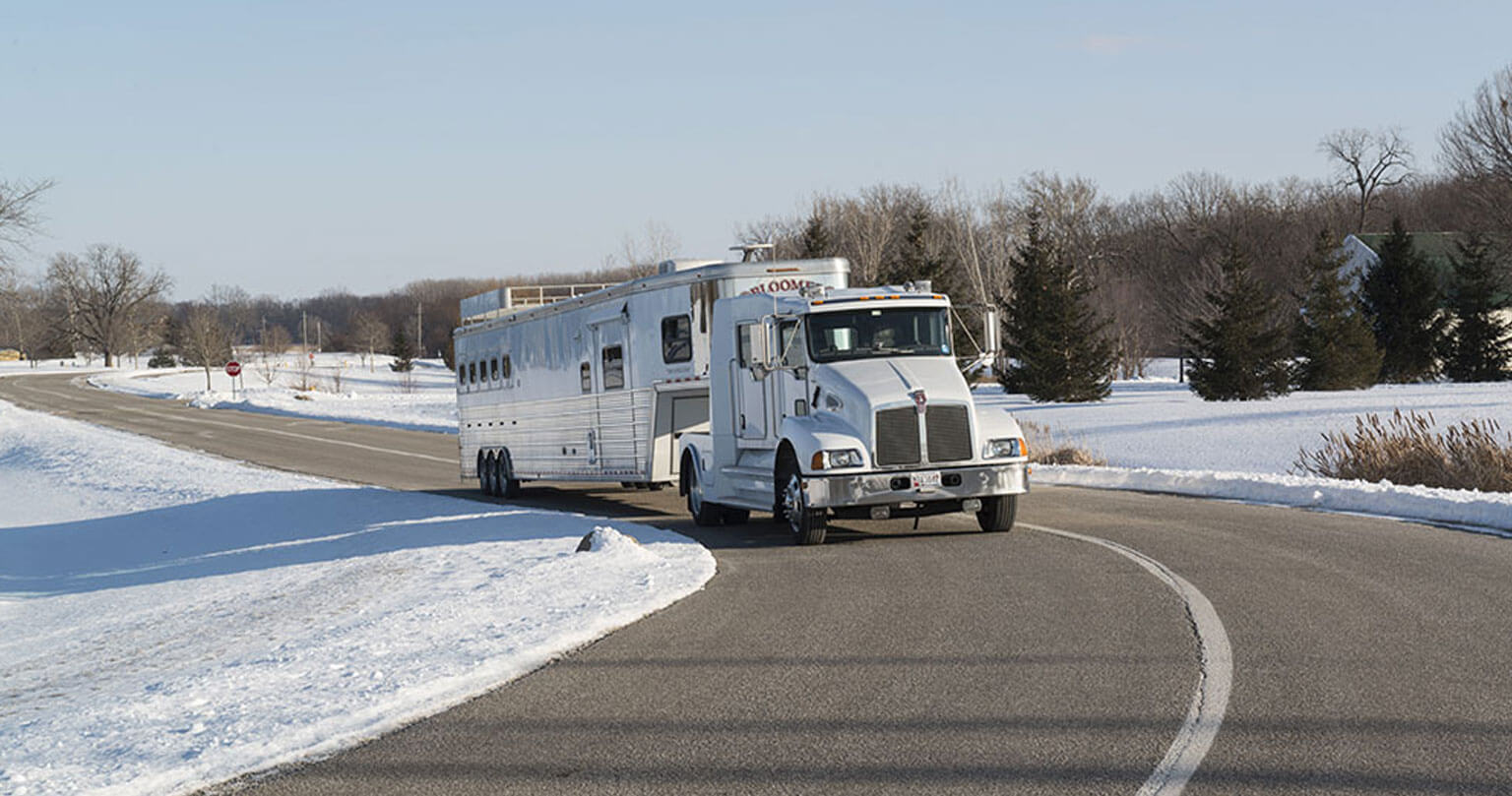
The Moment Every Horse Owner Hits the Wall
You bought the nicest dually on the lot. Ram 3500, Ford F-350, maybe a Chevy 3500HD. You paired it with a beautiful Bloomer or Sundowner living quarters trailer. On paper, the numbers worked. On the road, the story changed.
The trailer pushes you around in crosswinds. You feel every semi that passes. The rear axle squats under the pin weight, and you find yourself white-knuckling the steering wheel on mountain descents. You are not towing comfortably. You are surviving each trip.
This is the exact moment that drives serious horse people to discover medium-duty hauler trucks. And once they do, very few ever go back.
What Is a Medium-Duty Hauler Truck?
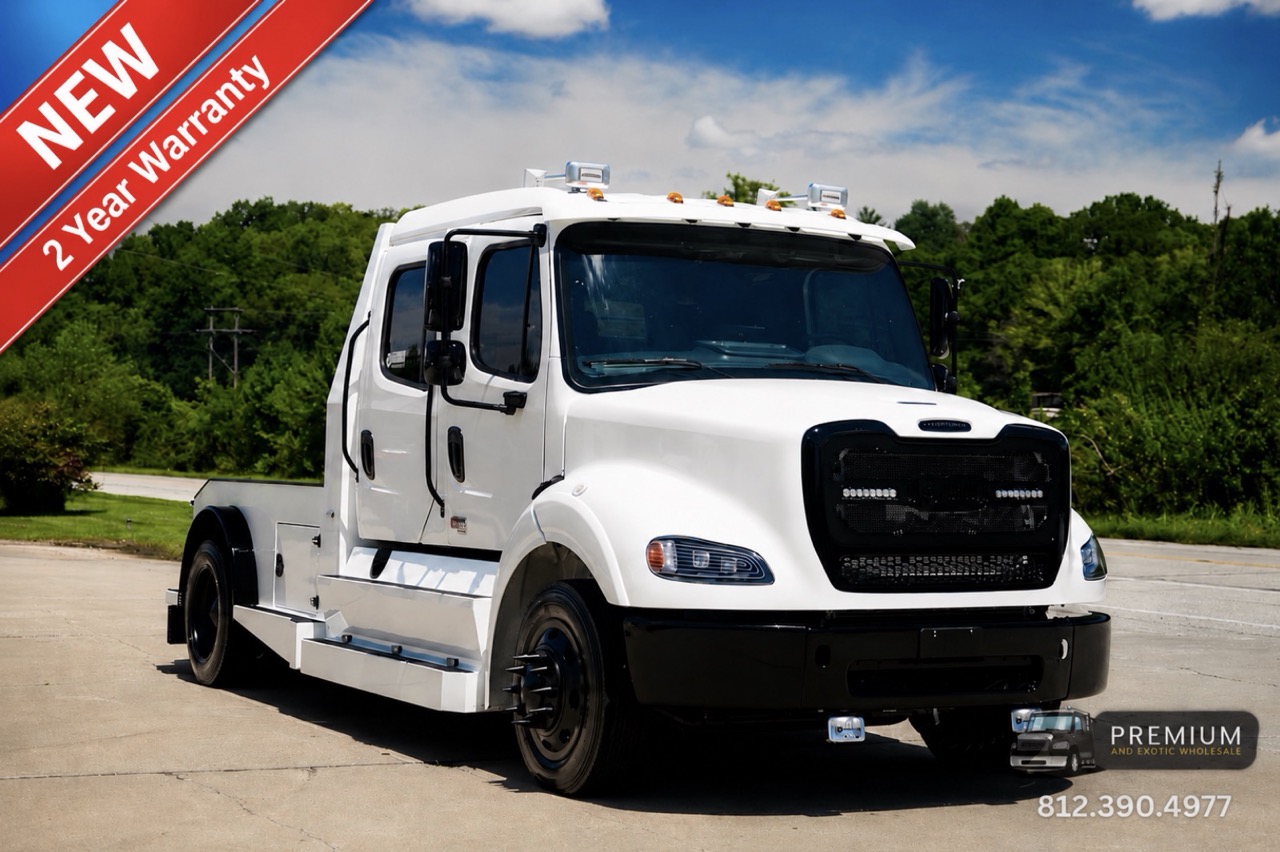
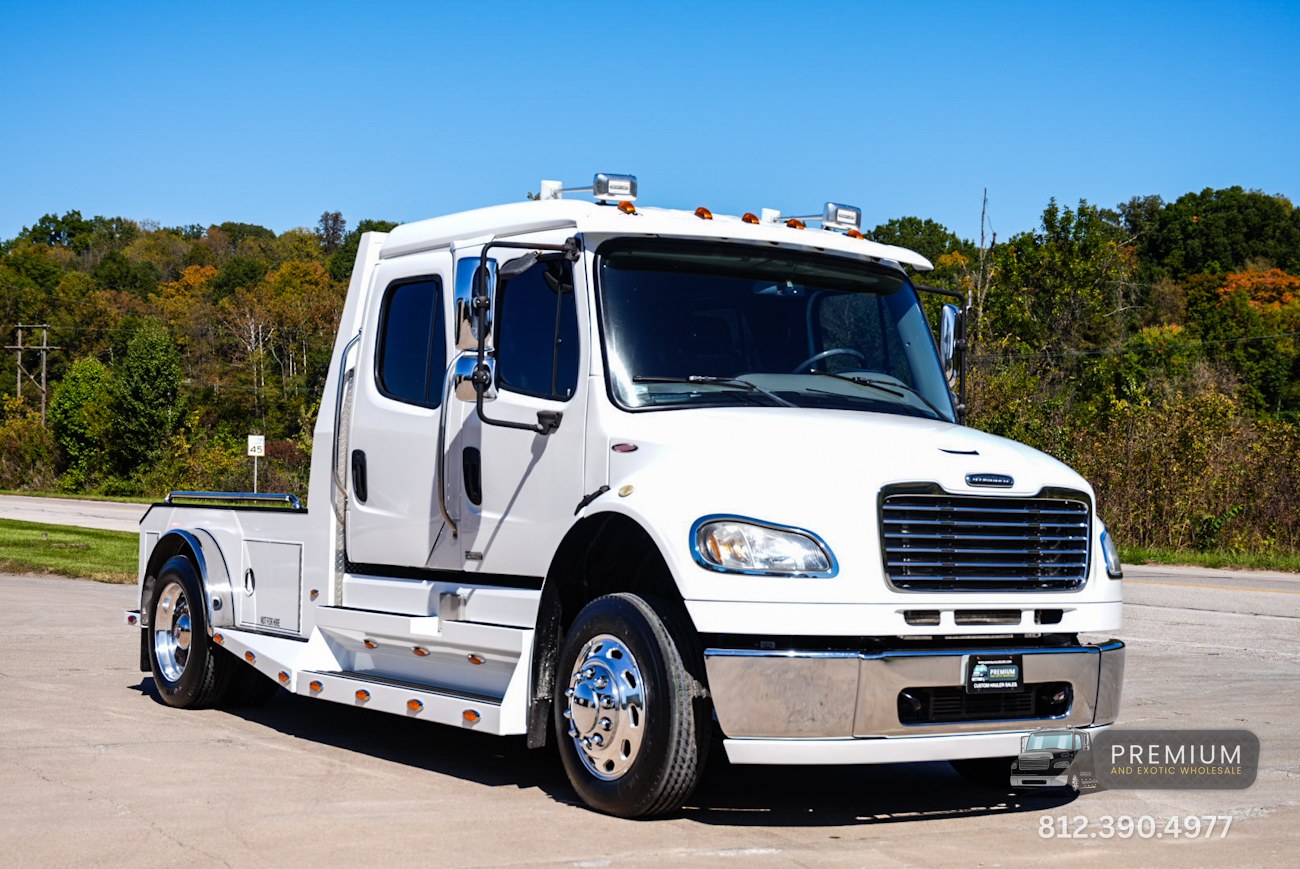
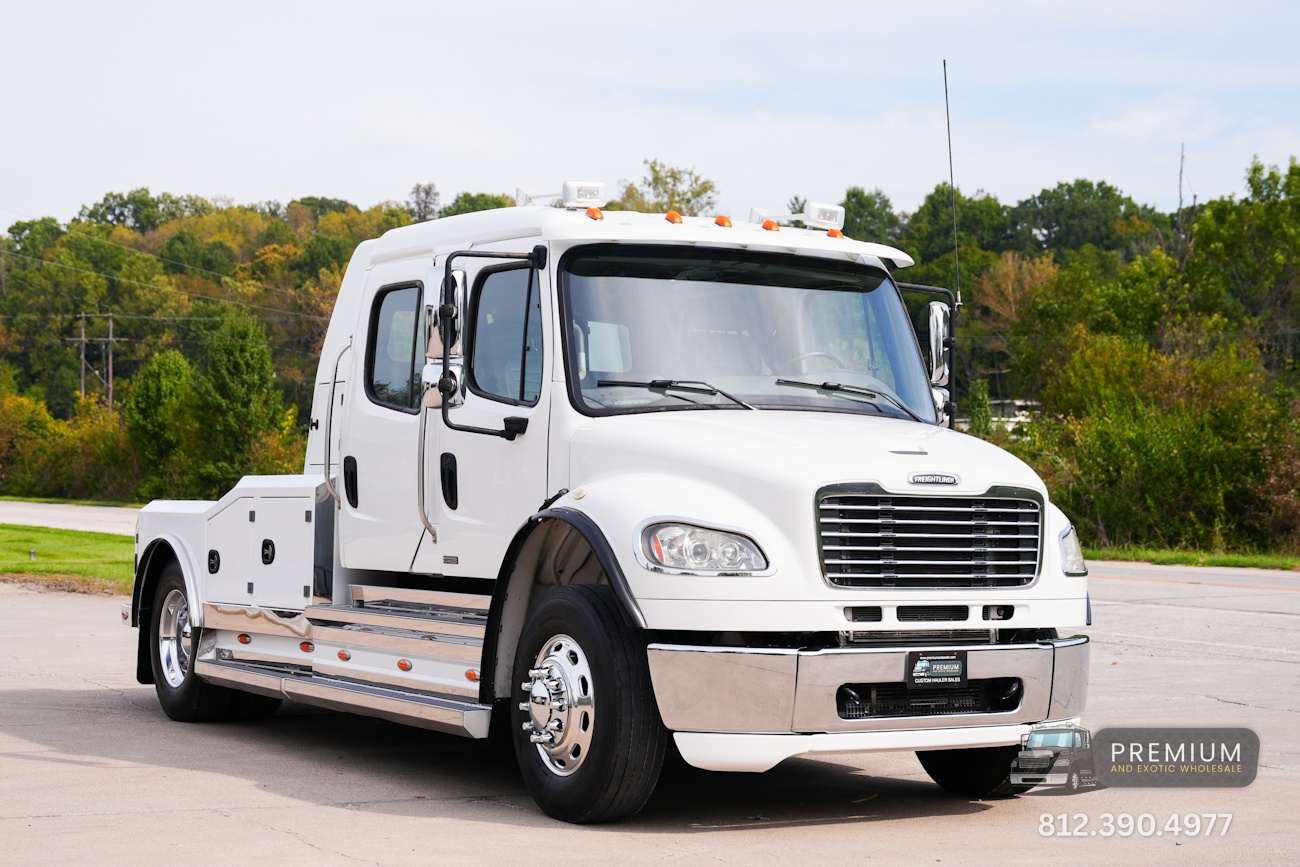
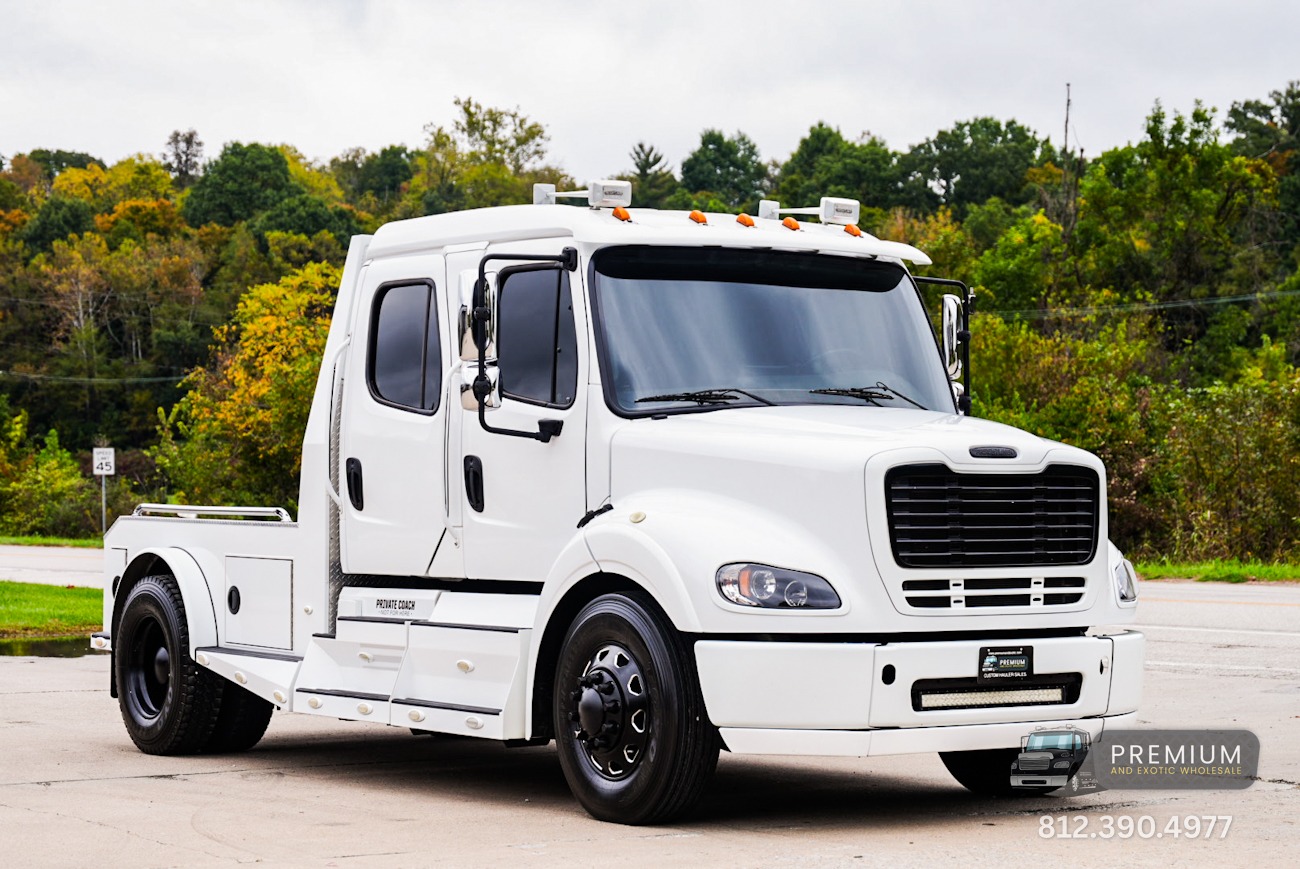
A medium-duty hauler sits between a one-ton dually pickup and a commercial semi truck. Built on commercial chassis platforms from Freightliner, Peterbilt, and Kenworth, these trucks are engineered from the ground up for heavy towing. The most recognized names in the category include the Freightliner Sport Chassis, Laredo, Schwalbe, Bolt, and Western Hauler conversions, along with 2L custom builds on Peterbilt and Kenworth platforms.
The critical difference: these are not modified pickups. They are purpose-built hauling machines with the frame, axles, brakes, and suspension to handle serious weight safely and comfortably.

Towing Capacity: Where the Numbers Tell the Real Story
A typical one-ton dually pickup has a gross combined weight rating (GCWR) between 35,000 and 43,000 pounds. That sounds like a lot until you subtract the truck’s own weight, passengers, saddles, feed, and gear. The actual available towing capacity shrinks quickly.
Medium-duty haulers typically offer GCWR ratings from 40,000 to 52,000 pounds, depending on the configuration. More importantly, their gross vehicle weight ratings (GVWR) range from 19,500 to 26,000 pounds (kept under the CDL threshold), giving you dramatically more payload capacity for pin weight, cargo, and passengers.
For owners pulling large living quarters trailers from Bloomer, Cimarron, Lakota, Platinum Coach, or Elite, that extra capacity is not a luxury. It is a safety margin.
Ride Quality: Your Horses Can Tell the Difference
This is the advantage that surprises people most. Medium-duty haulers ride on air suspension systems (both front and rear on many configurations), compared to the leaf springs found on most dually pickups. The result is a smoother, more controlled ride that translates directly to how your horses travel.
Ride quality matters for horses the same way it matters for people. A truck that floats over highway seams and absorbs bumps without jarring stops puts less stress on a 1,200-pound animal standing in a moving box for hours at a time. The science behind transport stress in horses is well-documented in equine veterinary literature, and smoother transport reliably translates to calmer arrival and shorter recovery.
A driver who has spent a season in both can usually tell the difference by the third trip. So can the horses.

Braking: The Safety Factor Nobody Talks About Enough
Here is the conversation the equestrian community needs to have more often. A loaded living quarters horse trailer with four or more horses can easily weigh 25,000 to 30,000 pounds. Your dually’s hydraulic disc brakes are working at or near their limits at those weights, especially on descents, in rain, or during emergency stops.
Medium-duty haulers come equipped with air brakes or hydraulic brakes rated for commercial loads. Many also feature exhaust brakes or engine brakes (Jake brakes) that provide continuous speed control on downgrades without touching the service brakes. This is the same technology that keeps loaded semi trucks safe on mountain passes, scaled to a truck you can park at the barn.
For anyone who has ever smelled hot brakes coming down a grade with a loaded horse trailer, this alone is reason enough to consider the switch.
Wheelbase and Stability
Medium-duty haulers typically have a longer wheelbase than dually pickups. This is not just a design choice. A longer wheelbase provides greater stability when towing, reducing the sway and push that makes highway driving with a large trailer stressful.
Combined with a heavier front axle, wider stance, and lower center of gravity, a medium-duty hauler gives you a towing platform that feels planted and predictable. Crosswinds that would have you gripping the wheel in a dually become a non-event.
The Comfort Factor for the Driver
Modern medium-duty haulers are not the stripped-down commercial trucks of decades past. Today’s custom builds from companies like Laredo, Schwalbe, and Bolt offer crew cab interiors that rival or exceed luxury pickups. Leather seating, climate control, premium audio, backup cameras, and crew space for four or more passengers are standard features on many configurations.
The cab is typically larger and more spacious than even a crew cab dually, which matters when you are driving 500 miles to a show with your family and your gear.

Do You Need a CDL?
This is the first question everyone asks, and the answer is good news. Most medium-duty haulers are configured with a GVWR under 26,001 pounds, which means no commercial driver’s license (CDL) is required for personal use in most states. You drive it with your regular license. Some configurations with air brakes may require an air brake endorsement, which is a simple written test. For a deeper dive on this topic, see our full guide on CDL requirements for medium-duty haulers.
Who Is Making the Switch?
The equestrian owners moving to medium-duty haulers tend to share a few characteristics. They own large living quarters trailers (often 3+ horse with full living quarters from Bloomer, Sundowner, Cimarron, Lakota, Platinum Coach, or Elite). They travel frequently, covering thousands of miles per season. They have experienced the limitations of a dually firsthand, and they prioritize the safety and comfort of their horses alongside their own.
These are not people looking for the cheapest option. They are looking for the right one.
The Bottom Line
If you are pulling a heavy horse trailer and you have only ever considered pickup trucks, you owe it to yourself (and your horses) to look at what a medium-duty hauler can do. The towing capacity, braking power, ride quality, and stability are in a different league. And you can drive one with a standard license.
The owners who make this switch tend to notice the same thing first: their horses arrive calmer. Less sweat, less wide-eyed, less recovery time before they will eat. That outcome is not magic. It is what happens when the truck stops fighting the trailer and starts carrying it.
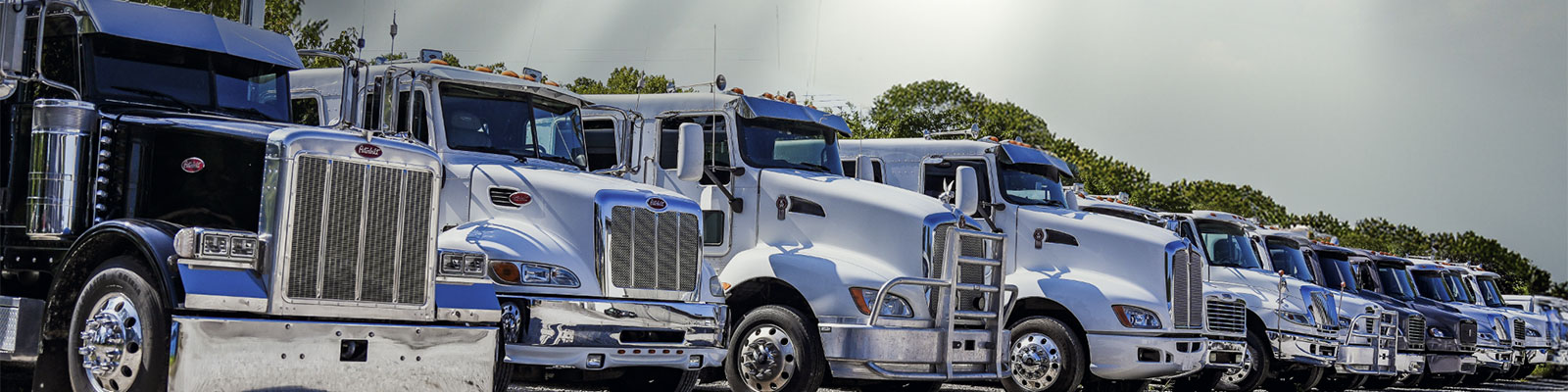
Premium and Exotic typically has a handful of Sport Chassis and Laredo trucks already matched to the kinds of LQ trailers most owners are pulling. Tell us what you tow, how often, and how far. We can usually point to two or three trucks in current inventory worth a closer look, and the conversation goes from there.





You must be logged in to post a comment.